Deep Cleaning
What’s Included in a Professional Deep Cleaning Service in Charleston?
Discover what a deep cleaning service Charleston SC includes and how it helps restore your home by removing buildup, improving

Spring in Charleston brings warmer temperatures, blooming trees, and longer days — but it also marks the arrival of one of the heaviest pollen seasons in the country. The fine yellow-green layer that settles on cars, sidewalks, and outdoor furniture doesn’t stay outside for long. It quickly enters homes through windows, doors, HVAC systems, and daily foot traffic.
Understanding how pollen affects your home — and how to clean it properly — helps protect indoor air quality, maintain surfaces, and reduce allergy symptoms. This guide explains how Charleston’s pollen season impacts local homes and how professional cleaning methods help control buildup effectively.
Charleston’s coastal climate creates ideal conditions for high pollen production. The region’s oak, pine, and grass species release large amounts of airborne pollen during spring, while humidity helps particles cling to surfaces and spread easily indoors.
Unlike dry climates where pollen may disperse quickly, Charleston’s moisture levels cause pollen to stick to window frames, siding, floors, and furniture. Once inside, it circulates through air vents and settles into carpets, upholstery, and fabric surfaces.
Homes near marshes, tree-lined streets, or coastal areas often experience even higher pollen exposure. Without proper cleaning, buildup can affect indoor comfort, trigger allergies, and leave surfaces looking dull or dusty.
Many homeowners underestimate how quickly pollen travels indoors. Open windows for fresh air, pets coming in from outside, shoes at entryways, and even clothing fibers carry pollen particles inside.
Once indoors, pollen becomes trapped in soft materials such as rugs, curtains, and upholstered furniture. HVAC systems can also distribute allergens throughout the home if vents and filters are not regularly cleaned.
Professional cleaners often notice the highest accumulation in:
Entryways and mudrooms
Window sills and blinds
Ceiling fans and air vents
Carpeted areas and fabric furniture
Baseboards and corners where dust settles
Targeting these areas early prevents continuous recirculation and helps maintain cleaner indoor air.
Excess pollen inside the home significantly impacts indoor air quality. Many Charleston residents experience seasonal allergy symptoms such as sneezing, congestion, and irritation due to prolonged exposure indoors.
Beyond health concerns, pollen buildup also affects cleanliness and comfort. It creates visible dust layers, contributes to musty odors when mixed with moisture, and can stain light-colored surfaces over time.
Removing pollen consistently improves breathing conditions, enhances overall cleanliness, and creates a healthier environment for families, guests, and pets.
Proper pollen removal requires more than routine dusting. Because pollen particles are extremely fine, incorrect cleaning methods can simply spread them into the air.
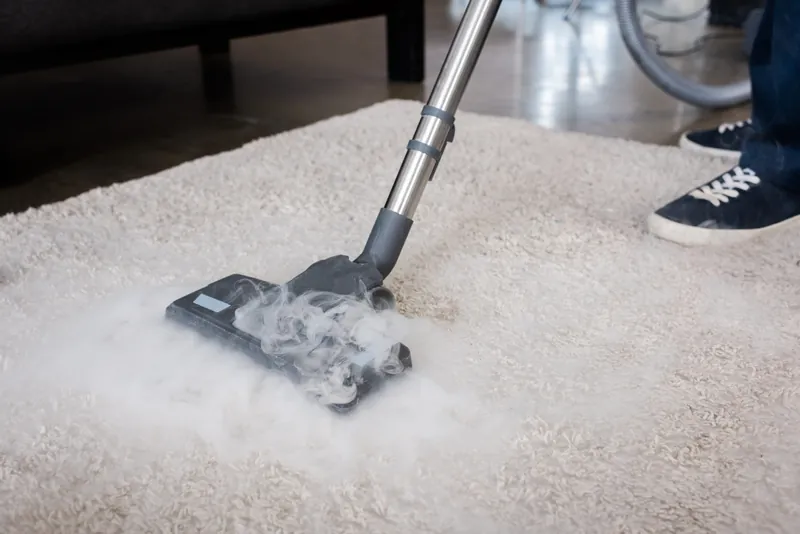
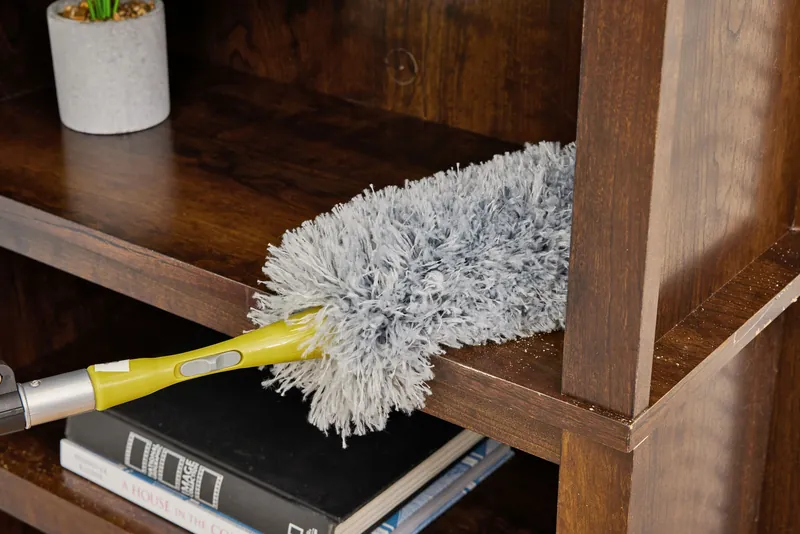
Professional cleaning services typically begin with high surfaces and work downward to prevent redistribution. Microfiber cloths capture particles more effectively than traditional dusters, while HEPA-filter vacuums remove allergens from carpets and upholstery.
Damp cleaning methods are particularly effective in Charleston’s climate. Lightly dampening cloths or mops prevents pollen from becoming airborne and ensures thorough removal from hard surfaces.
Air vents, ceiling fans, and baseboards also require careful attention, as these areas often hold concentrated pollen deposits that continuously circulate if left untreated.
While deep cleaning removes existing pollen, prevention strategies help maintain results. Charleston homeowners benefit from managing entry points and reducing indoor exposure.
Keeping windows closed during peak pollen hours, using high-quality HVAC filters, and cleaning entry areas frequently can significantly reduce indoor accumulation. Regular vacuuming of rugs and prompt cleaning of outdoor furniture also prevents pollen from spreading inside.
Scheduling recurring professional cleaning during spring provides consistent control, especially for busy households or homes with high exposure to outdoor elements.
Pollen removal can be time-consuming and difficult without proper tools or techniques. Professional cleaning services provide specialized equipment, structured cleaning processes, and experience addressing Charleston’s seasonal challenges.
Professional teams can deep clean upholstery, sanitize high-touch areas, and remove buildup from hard-to-reach spaces. This level of care helps prevent long-term surface damage while improving indoor air quality.
If your home experiences heavy pollen exposure or persistent allergy symptoms, professional cleaning offers a reliable solution. Dunes Star Cleaning provides detailed seasonal cleaning services designed specifically for Charleston homes, helping residents maintain healthier and more comfortable living spaces throughout spring.
Discover what a deep cleaning service Charleston SC includes and how it helps restore your home by removing buildup, improving

Learn how Charleston humid summer cleaning strategies help protect your home from moisture, odors, and buildup while keeping your space